United News 24 Desk ::
In a small madrasa in Narayanganj, eastern Bangladesh, students were falling ill with persistent coughing and nausea. At first, teachers thought it was a seasonal illness. But a young climate activist, Fariha, noticed a pattern. The school was next to an informal battery recycling workshop, where lead oxide fumes were seeping into classrooms and playgrounds.
Fariha documented the pollution and alerted local authorities. Within weeks, the facility was closed, removing a source of daily exposure for hundreds of children.
Her action is part of a growing youth-led movement tackling one of Bangladesh’s most serious environmental health crises: lead poisoning. More than 36 million children in the country, almost 60% of the young population, have dangerously high levels of lead in their blood, according to international estimates. Exposure to the metal can cause brain damage, learning difficulties, behavioural disorders, cardiovascular disease, and reduced lifetime earnings. Economists estimate that lead exposure costs the Bangladeshi economy six to nine percent of GDP each year, through lost productivity, healthcare spending, and long-term cognitive harm.
The problem is partly linked to Bangladesh’s rapid development. Electric rickshaws and solar home systems, which are vital for low-carbon transport and energy access, rely on lead-acid batteries. When these batteries are discarded or recycled informally, toxic dust spreads into homes, schools, and farmland. Low-income communities and children are at the highest risk.
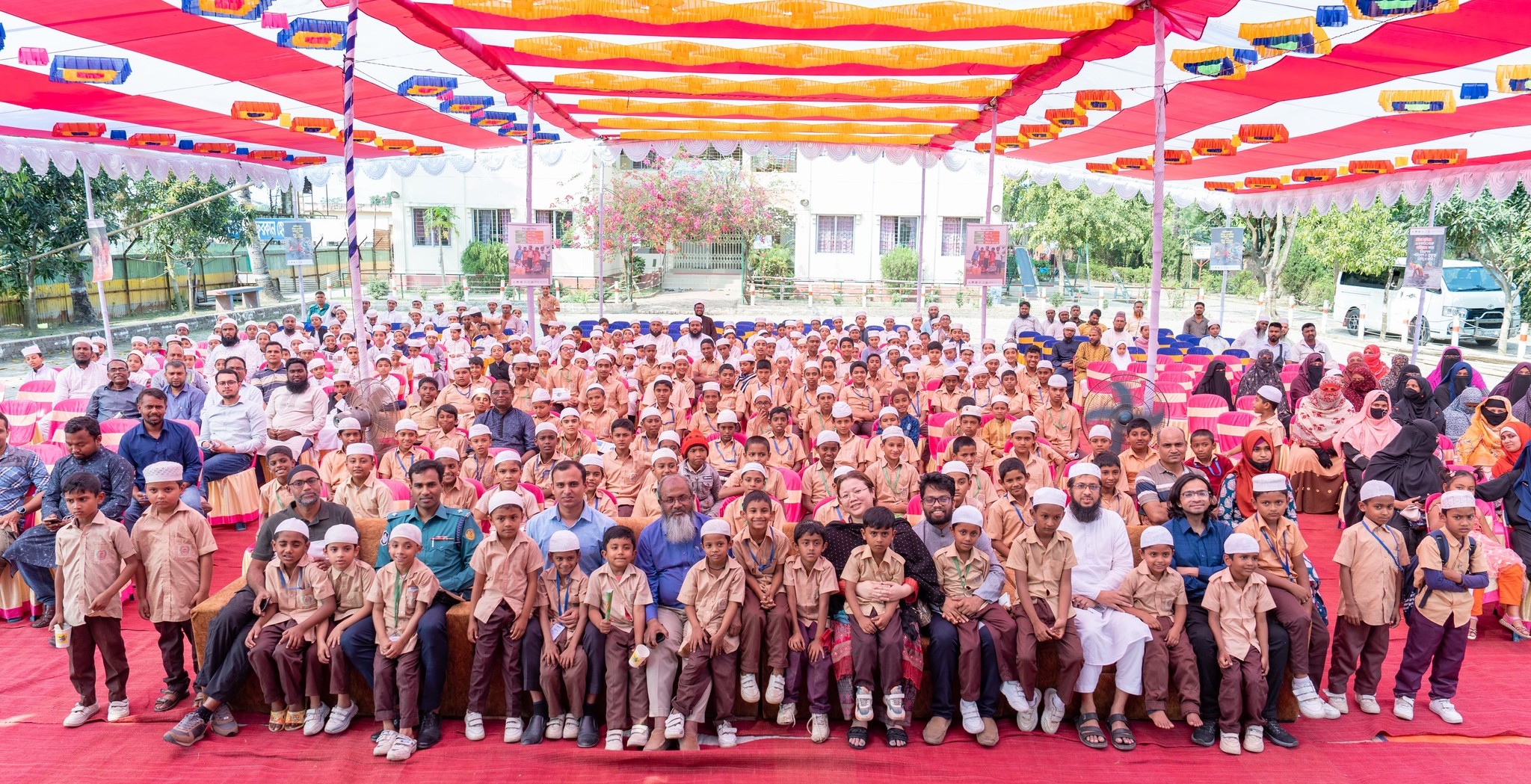
YouthNet Global, a youth-led organisation, has emerged as a central force in addressing the crisis. Its #SolveLeadPollution campaign has trained hundreds of young leaders across all 64 districts, helping them educate families, monitor polluting sites, alert authorities, and advocate for policy change. More than 1.5 million people have been reached through community activities, social media, and media coverage.
“YouthNet Global is showing that informed young people can confront even hidden crises,” says Mitali Das, country director of Pure Earth Bangladesh. “They are documenting polluters, influencing policymakers and holding companies accountable.”
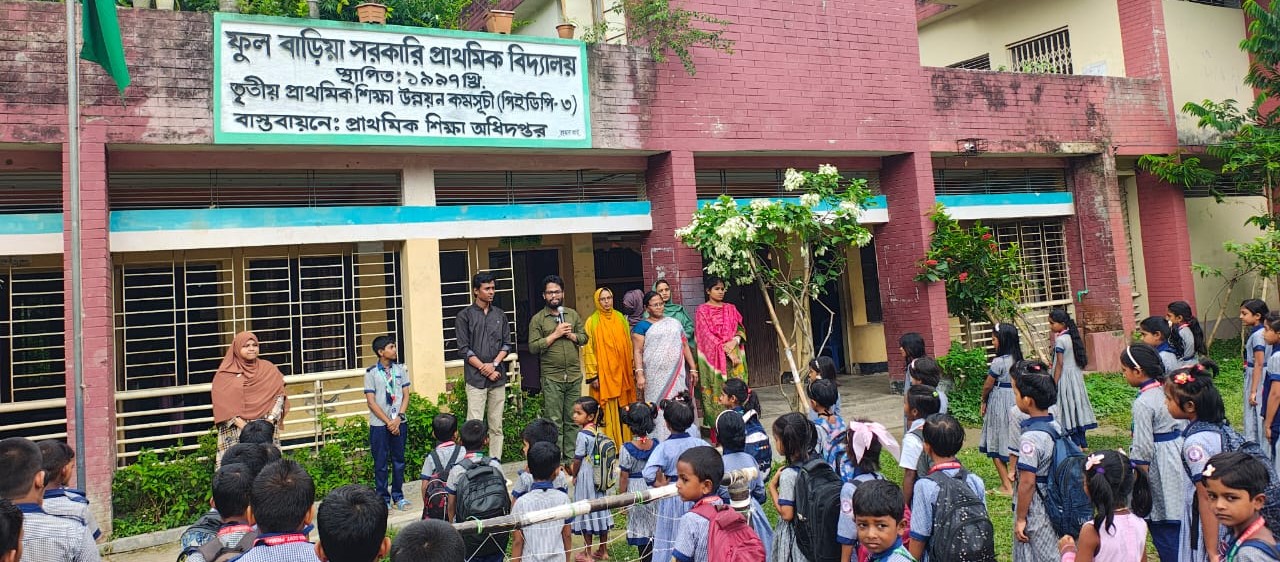
In Fulbaria, a village in Narsingdi district, residents lived for more than a decade beside a Chinese-owned battery recycling factory. Lead-contaminated dust settled on farmland and ponds. Crops failed, children fell ill, and workers laboured without protective equipment or healthcare. YouthNet Global worked with the community to document damage and mobilise action. Youth activist Rakib Hasan led residents in demanding justice. The Supreme Court eventually ordered the permanent closure of the factory.
Government authorities have welcomed youth involvement. Md Ziaul Haque, Additional Director General of the Department of Environment, says: “YouthNet Global is actively supporting local-level monitoring and reporting, helping communities hold polluters accountable.”
The results are tangible. Nearly 50 illegal lead smelting and recycling facilities have been shut down across multiple districts. Mobile courts have fined and jailed polluters. Youth-led evidence also played a key role in drafting Bangladesh’s first National Action Plan on Lead Pollution, formally recognising lead poisoning as a public health emergency.
Syeda Rizwana Hasan, an adviser with ministerial rank for environment, forest and climate change, water resources, and information and broadcasting, said the youth efforts had been “extraordinary” and ensured that lead pollution was “no longer ignored.”
The economic and social stakes are high. Children exposed to lead face lifelong cognitive deficits. Families bear healthcare costs, and communities experience environmental degradation that can last decades. Preventing exposure is one of the most cost-effective public health interventions available.
 YouthNet Global is now pursuing systemic solutions. It plans to expand monitoring networks, launch a platform for anonymous reporting of illegal operations, strengthen district oversight committees, and advocate for formal classification of lead as a toxic substance. Other initiatives include school-based prevention programmes, nationwide testing of blood and environmental samples, safer recycling practices, and a transition to non-toxic energy storage technologies. At the international level, youth leaders are seeking regional cooperation and a dedicated resolution at the United Nations Environment Assembly.
Bangladesh’s experience shows that young people, when educated and organised, can turn a silent crisis into a national priority. They are documenting polluters, shaping enforcement decisions, and influencing policy.
“There is no safe level of lead,” says Mitali Das. “But in the hands of Bangladesh’s youth, hope, courage and collective action are already changing the course of history.”