Youth-led environmental organisation YouthNet Global has urged that effective implementation, backed by enforcement, monitoring, and sustained political commitment, will determine whether Bangladesh can reverse one of its most urgent and under-recognised public-health crises.
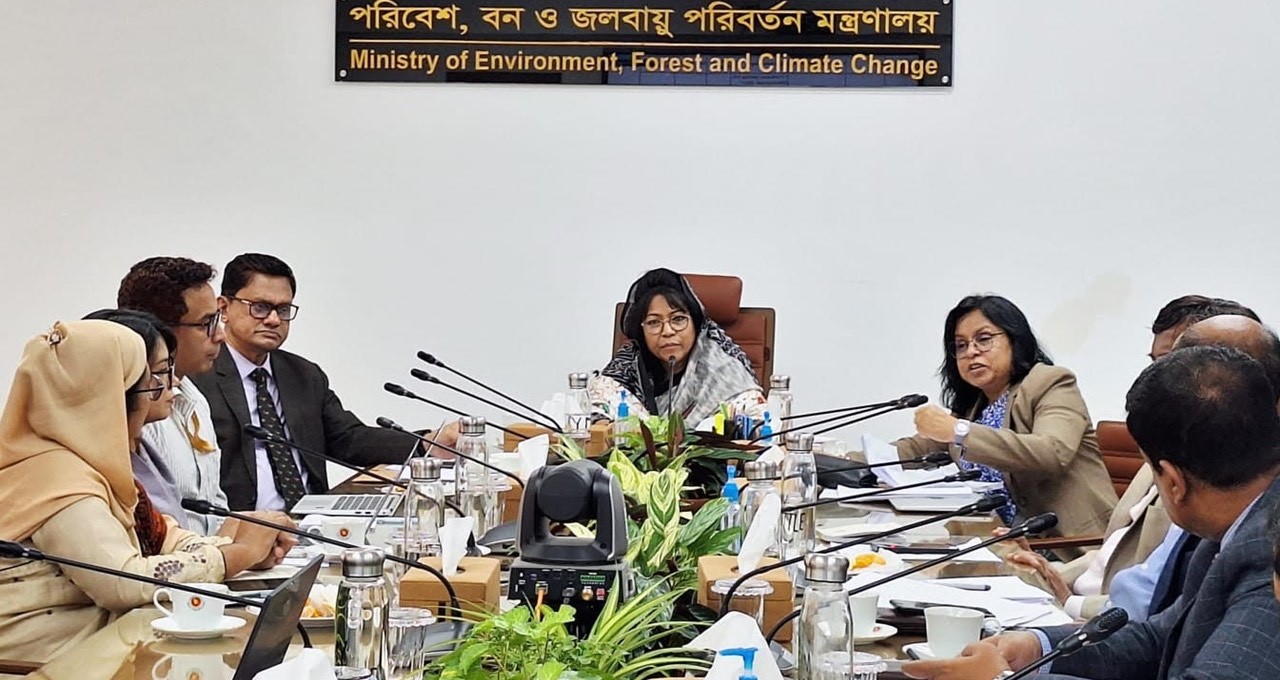
The draft strategy was reviewed on Tuesday, 2 December, at a meeting of the Multisectoral Steering Committee at the Ministry of Environment, Forest and Climate Change. Relevant ministries were instructed to submit their action plans without delay to accelerate adoption and implementation.
Officials noted that lead exposure, particularly among children, informal-sector workers, and residents of industrial zones, has become a critical national concern. The government aims to launch a coordinated plan to reduce lead exposure, strengthen public-health protections, and ensure safer environmental and occupational practices nationwide.
According to the draft, major sources of lead pollution include lead-based paint, informal recycling of used lead-acid batteries, toxic aluminium cookware, adulterated spices, industrial emissions, and children’s toys. The rapid growth of battery-powered vehicles, especially e-rickshaws, has sharply increased hazardous e-waste, making it one of the most pressing emerging threats.
The meeting was chaired by MoEFCC Secretary Farhina Ahmed and attended by senior officials including Additional Secretary (Environment) Fahmida Khanom, Department of Environment Director General Md Kamruzzaman, and pollution-control focal point Sabrina Rahman.
Environment secretary Dr Ahmed said the strategy, once finalised, would play a decisive role in protecting millions from irreversible harm.
“This will be a milestone toward a safer, healthier, and more sustainable Bangladesh,” she said. “We are working closely with NGOs, communities, and industry to ensure strict enforcement and promote safer practices.”
Public-health experts warn that the consequences of lead exposure are severe, permanent, and far-reaching, including reduced IQ, developmental delays, organ damage, chronic illness, and increased risk of heart disease. Lead poisoning in pregnant women can cause miscarriage, stillbirth, and lifelong health complications for newborns.
The World Bank estimates the annual economic cost of lead pollution in Bangladesh at 28.6 billion dollars, equivalent to 6 to 9 percent of GDP.
YouthNet Global welcomed the government’s decision to adopt a national strategy, calling it long overdue but urgently necessary.
“Bangladesh’s children are among the most exposed in the world,” said Sohanur Rahman, Executive Coordinator at YouthNet Global. “A coordinated national plan could mark a turning point if implemented with seriousness. Today’s environmental failures must not become tomorrow’s burden for children who had no role in creating this crisis.”
He said strict enforcement, transparent monitoring, and community awareness were essential.
“The cost of inaction will be far greater for the nation,” he said.
Fresh data underscores the urgency. Bangladesh now ranks fourth globally in the number of children affected by lead poisoning, with more than 35 million found to have elevated blood lead levels, according to UNICEF and Pure Earth Bangladesh.
Preliminary findings from the BBS–UNICEF Multiple Indicator Cluster Survey 2025 show that 38 percent of children aged 12 to 59 months have blood lead levels above the safe limit and nearly eight percent of pregnant women are also exposed to dangerous concentrations. Dhaka is the worst-affected region, with over 65 percent of surveyed areas showing high contamination.
Lead-laced toys, unsafe battery-recycling sites, polluted spices, lead-based paint, and industrial emissions remain the principal sources. Children aged 2 to 4 in the capital have recorded some of the highest blood lead concentrations ever documented in the country.
“This toxic heavy metal has infiltrated our soil, water, food, and bodies,” said Mitali Das, Country Director of Pure Earth Bangladesh. “We are supporting remediation efforts and pushing for stricter regulations.”
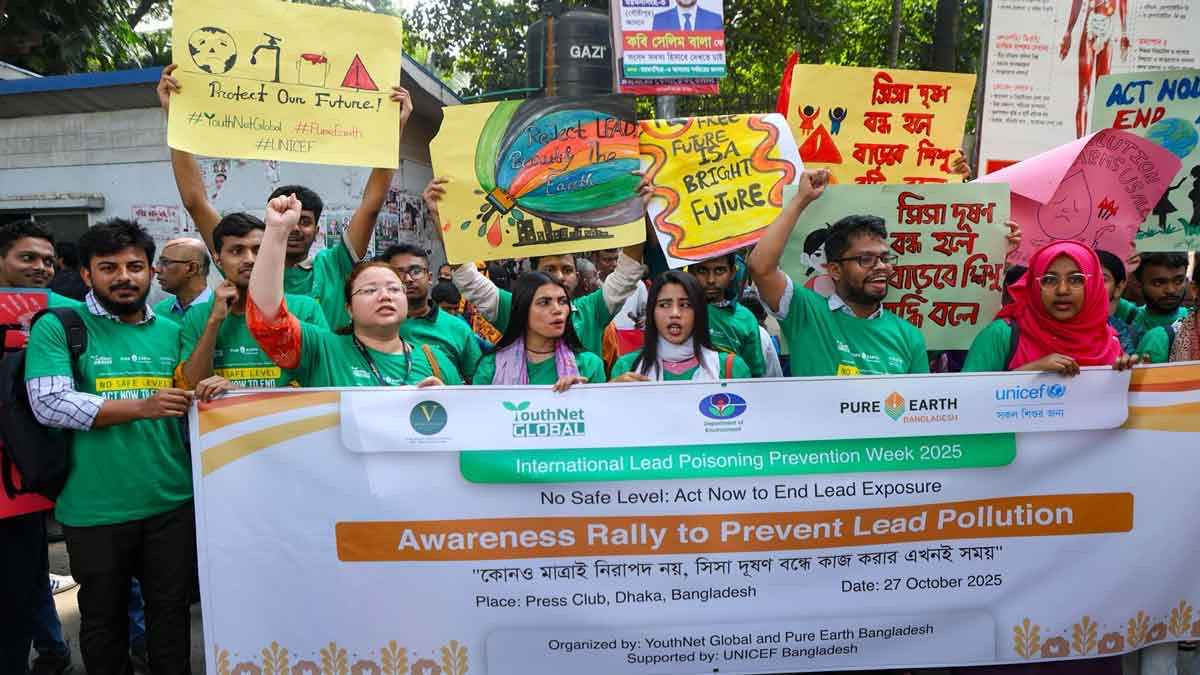 Sohanur added that the strategy must align with just transition principles, particularly to protect vulnerable workers.
“Many workers handling used batteries, scrap metal, or contaminated waste do so out of economic desperation,” he said. “A just transition means safer jobs, better training, and real alternatives that do not force people to choose between earning a livelihood and risking their health. Protecting workers and safeguarding future generations are both essential for real, lasting change.”